
Corporate or Owner-Run? Size Isn't What Separates Them
What separates company types isn't headcount — it's where decisions are made and how much of the reasoning gets written down. Four axes, and three desks to view them from.
Series
What actually separates a process-driven corporate from an owner-run company, and how that difference shows up in decisions, process, promotion and crisis. Every post looks at the same thing from three desks: senior engineer, manager, owner.
This series has 7 posts.
Part 1
What separates company types isn't headcount — it's where decisions are made and how much of the reasoning gets written down. Four axes, and three desks to view them from.
Part 2

Companies don't fail at going fast or going slow — they fail at matching the speed to the decision. A reversibility frame, and three desks to view it from.
Part 3

Process isn't a virtue — it's a coordination tax you pay. When it should be added, why it never gets removed, and how it looks from three different desks.
Part 4
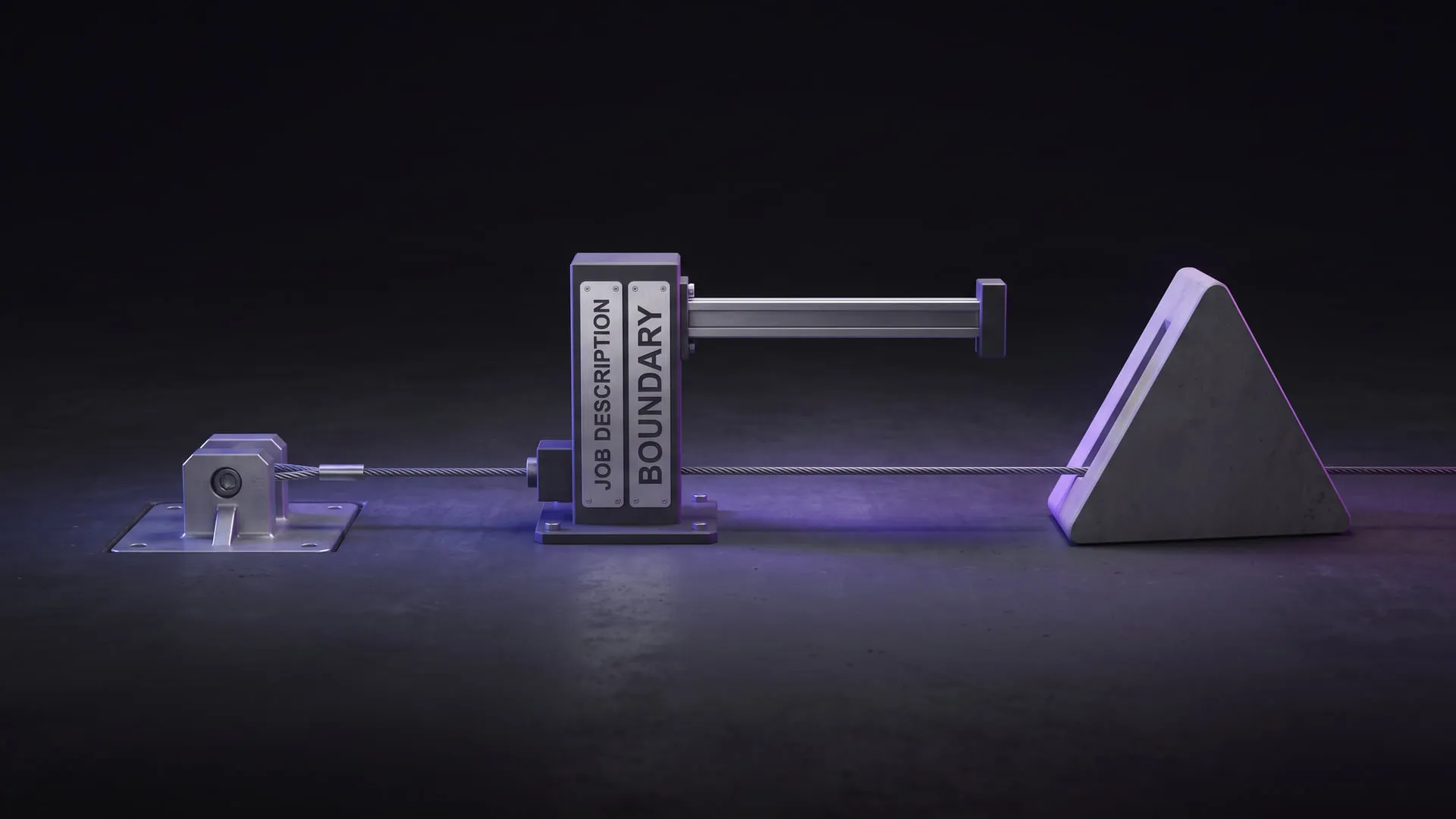
The moment a role gap gets closed by individual sacrifice it becomes invisible — and an invisible fault never gets fixed. How to draw a boundary, seen from three desks.
Part 5
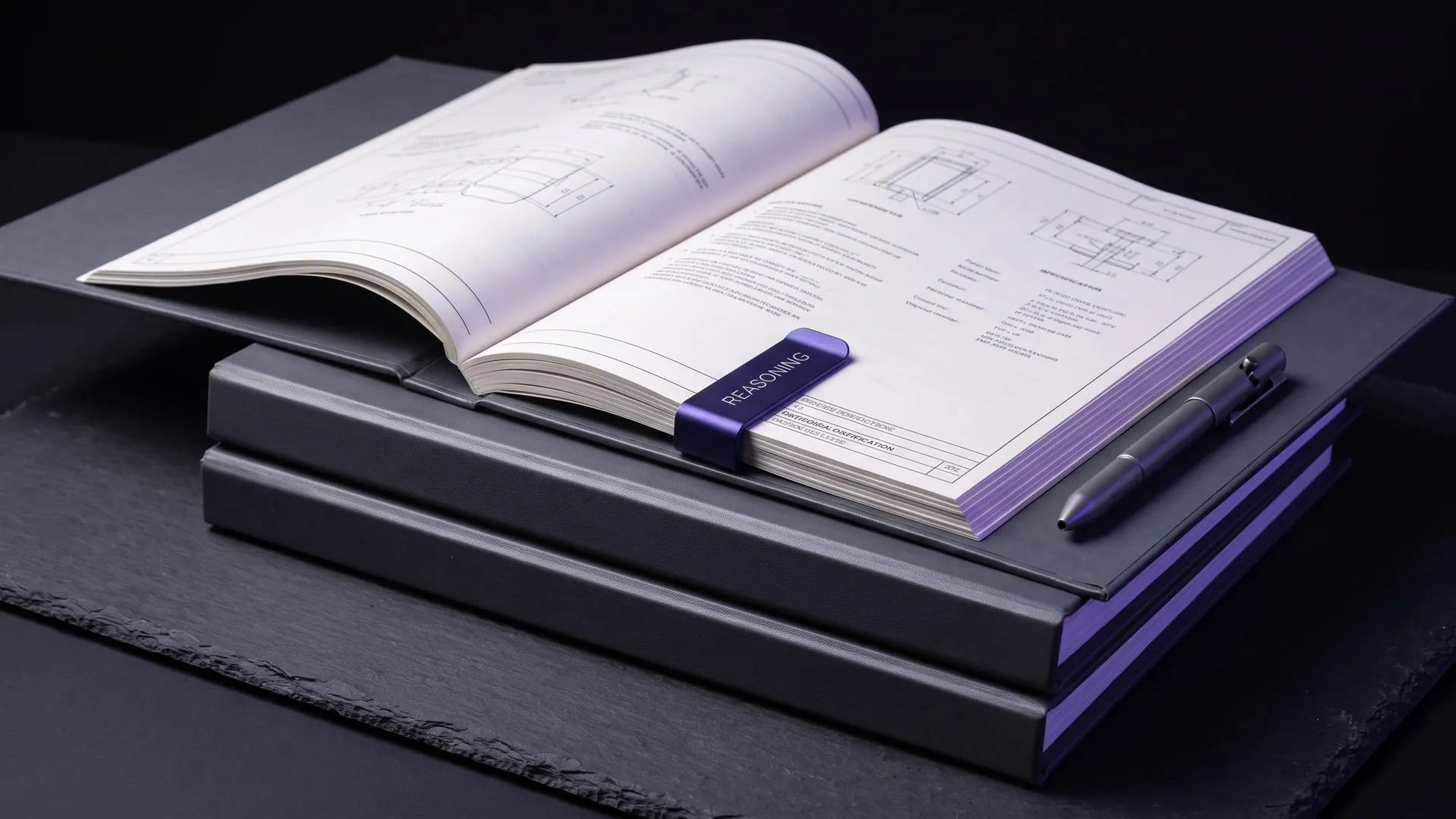
Knowledge stuck in one person's head and knowledge buried in a wiki nobody reads end up in the same place: the reasoning behind the decision is unreachable.
Part 6
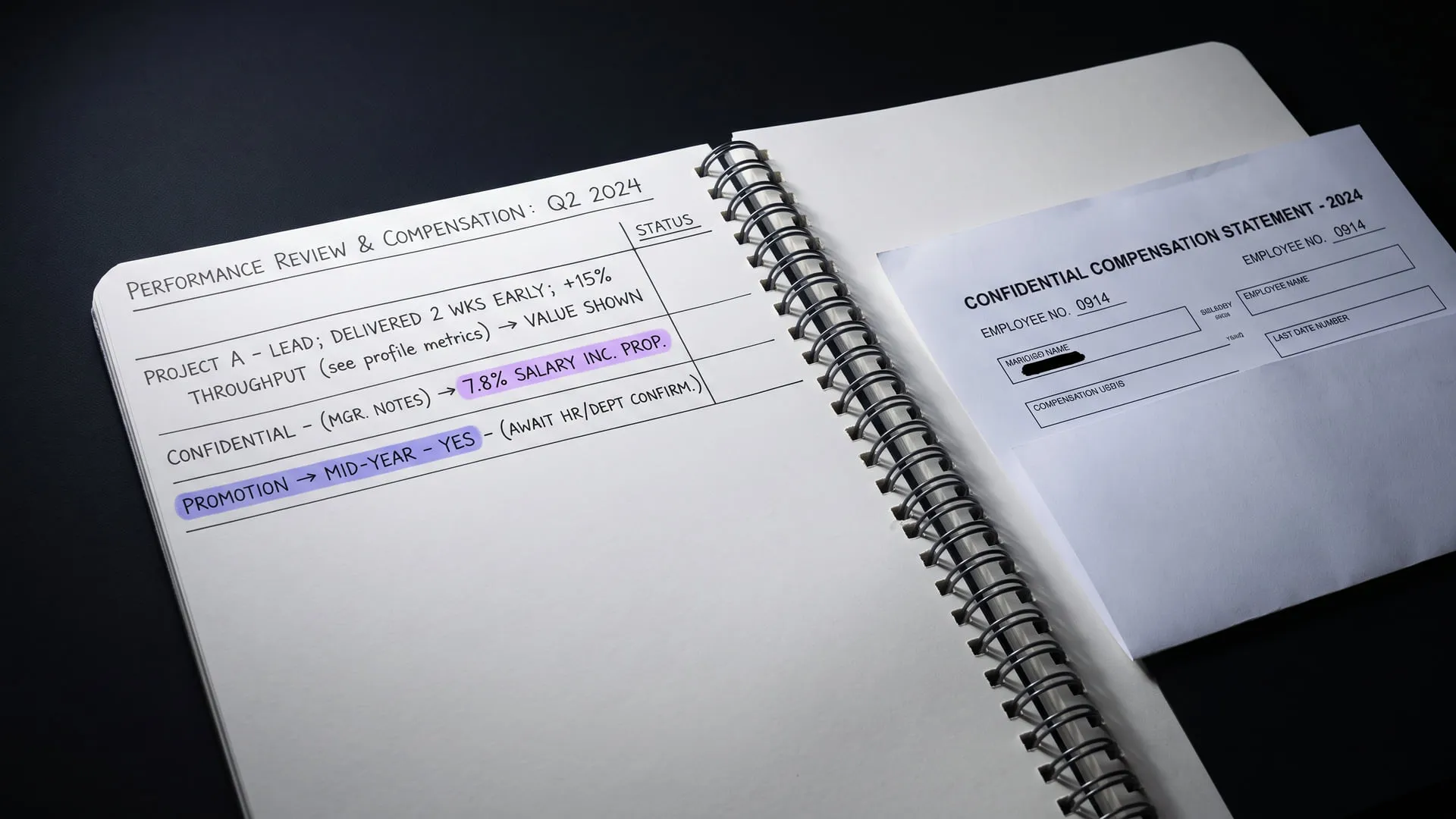
In a corporate a raise hangs on a spreadsheet; in an owner-run company it hangs on a memory. Having a system doesn't change the outcome — only the language of the negotiation.
Part 7

The status meeting isn't an information tool — it's an insurance policy. A critique that takes meetings seriously before it takes them apart, seen from three desks.