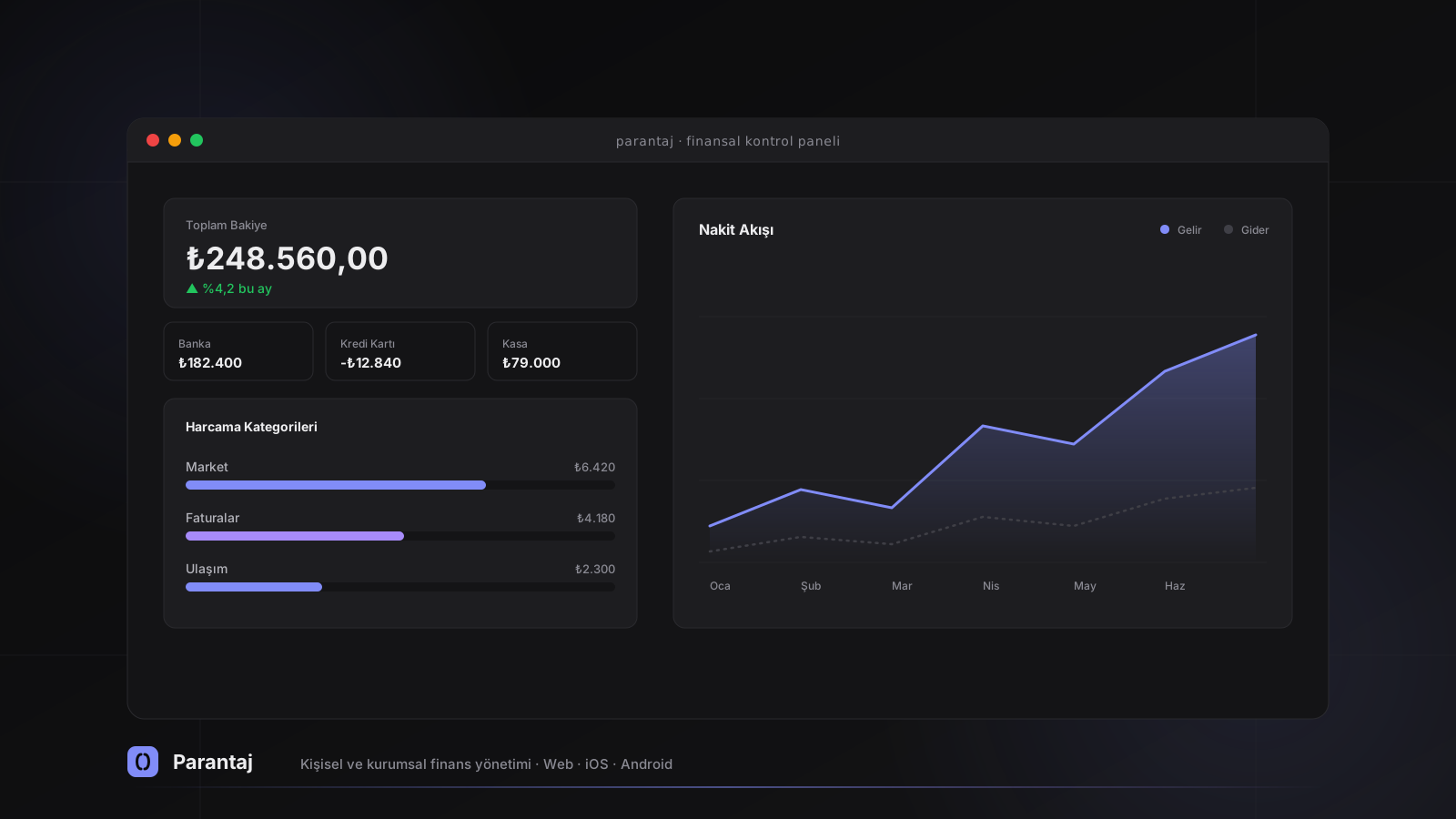
Parantaj
OngoingOwner
A personal and corporate financial management platform. It offers income-expense tracking, budget planning, detailed reporting, and multi-account management.
PHP Laravel Go
+8 more
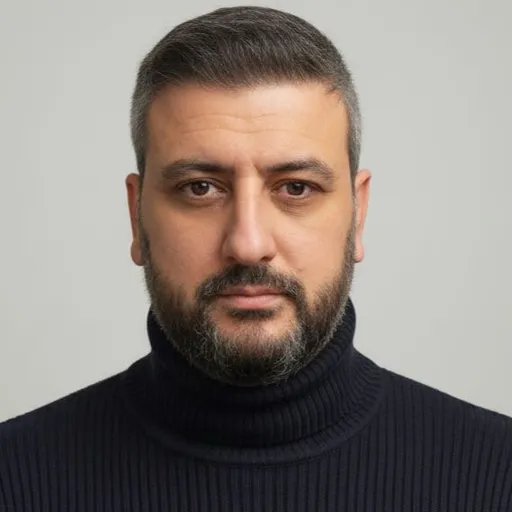
Polyglot Developer & System Architect
I have been building software since 2008; in recent years my focus is the architecture of high-traffic systems. Here I share the reasoning behind decisions and the lessons drawn from real projects.
In brief
I have been building software since 2008. Today I work as a Staff Engineer at a technology company, designing the microservice and event-driven architecture of high-traffic systems. I work across the PHP, Go, Python and JavaScript ecosystems as a developer who focuses on the problem rather than the language. I act as a technical compass for teams on scalability and maintainability decisions, and in my remaining time I maintain my own SaaS products and open-source projects.
At the center of my interests are scalable system architecture, clean API design and testable code. I enjoy sharing what I learn, contributing to open source, and turning ideas into working products.
Portfolio
A selection of products and projects I build and maintain.
Owner
A personal and corporate financial management platform. It offers income-expense tracking, budget planning, detailed reporting, and multi-account management.
Founder & Developer
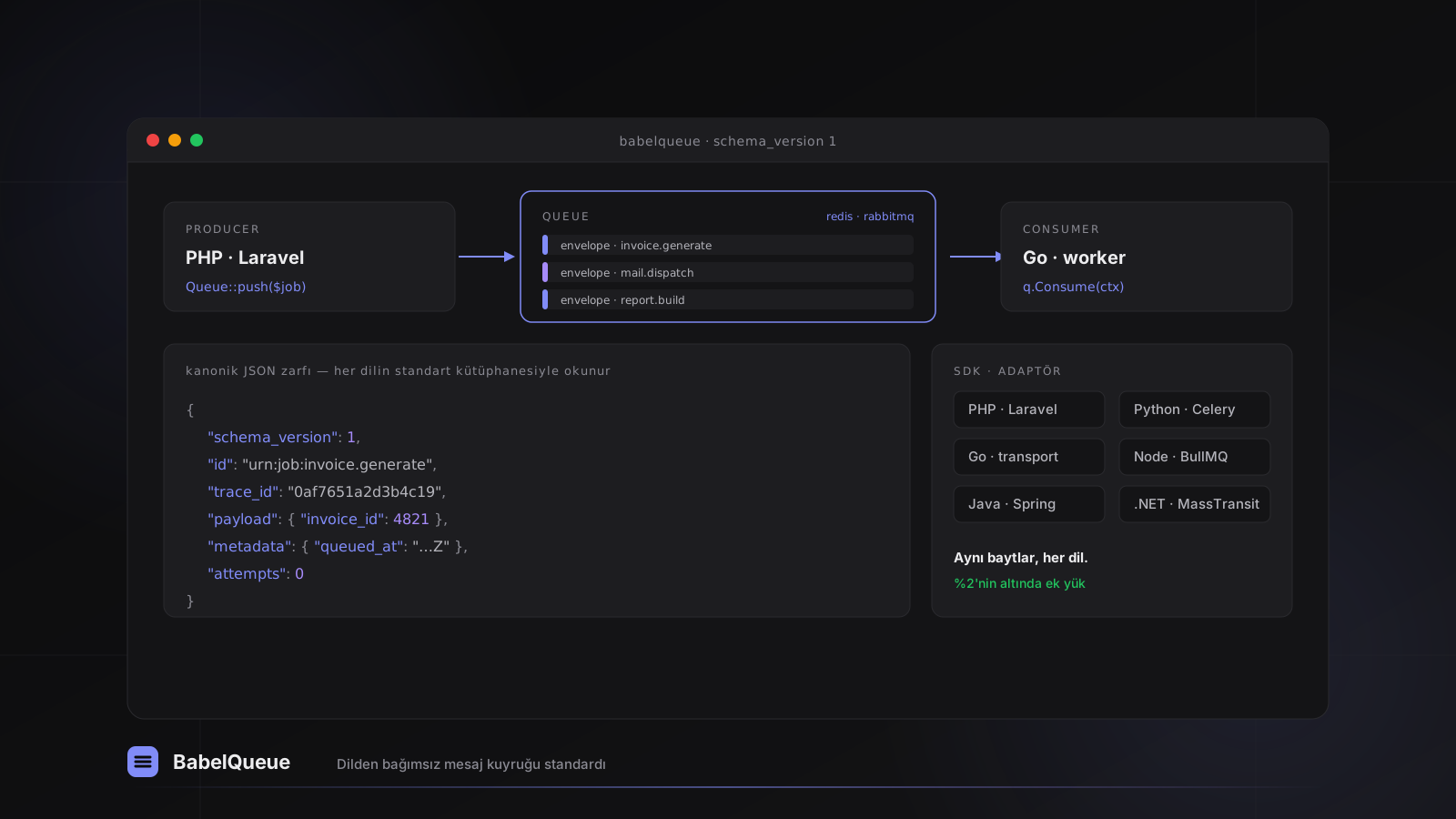
BabelQueue is a language-agnostic message queue standard that lets services written in different languages share the same queue without getting trapped by serialization lock-in. Instead of language-specific formats like PHP's serialize(), it defines a strict JSON envelope — frozen at schema_version 1 — that every language can read natively. It runs on Redis and RabbitMQ with no sidecar or broker plugin, adding under 2% overhead.
Founder & Developer
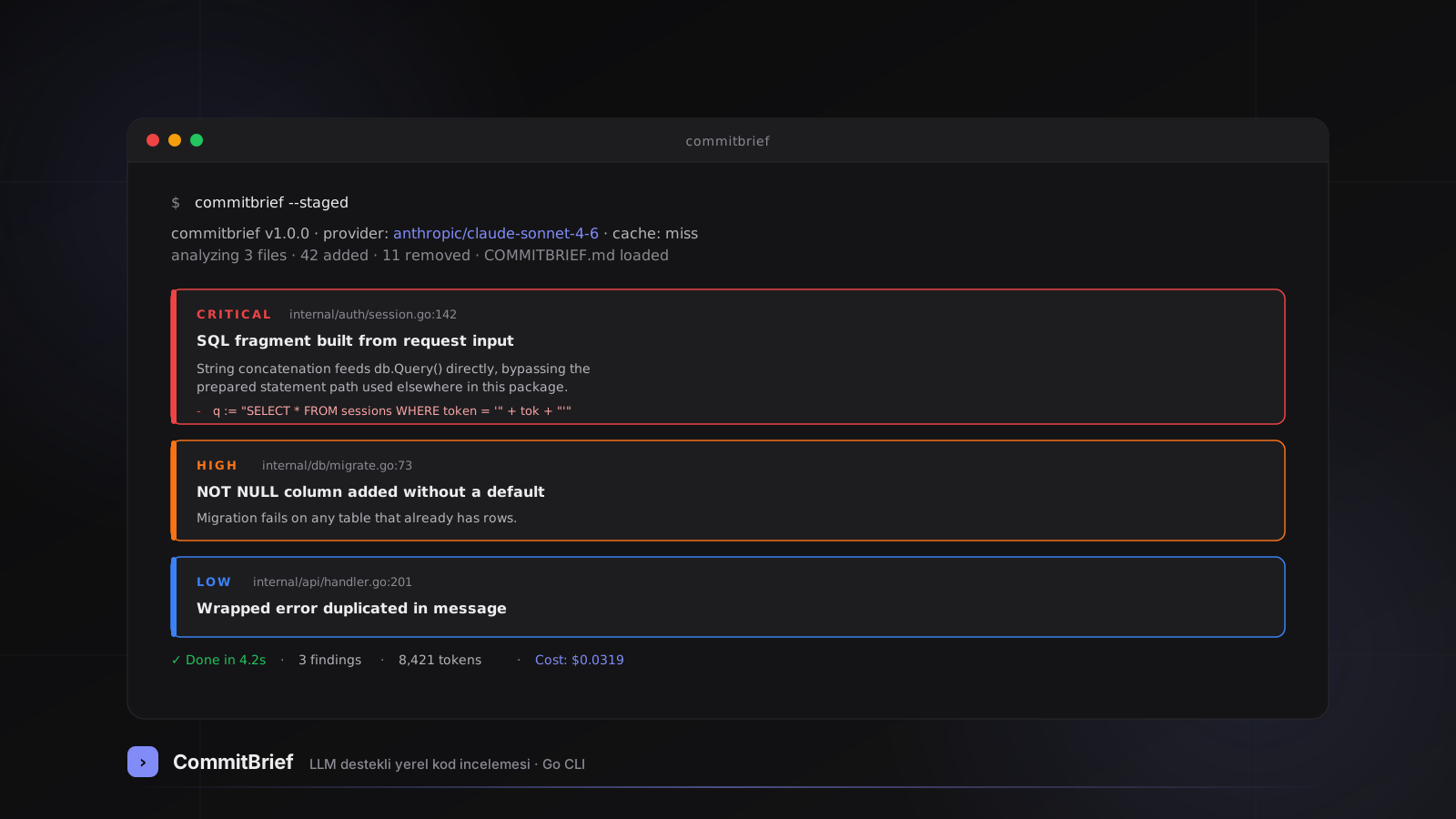
CommitBrief is a provider-agnostic Go CLI tool that performs LLM-powered local code review on git diffs. It reviews any scope — from staged/unstaged changes to a single commit to PR-style three-dot ranges — without leaving the terminal, without leaking the diff, and with customizable project rules.
Career
Highlights from my professional software journey.
Bulutklinik Teknoloji Istanbul, Türkiye
As a Staff Developer, I design Bulutklinik’s high-traffic healthcare platform using microservice and event-driven architecture, serving as the technical compass for critical design decisions. Grounded in domain-driven design, test-driven development, and performance optimization principles, I continuously improve teams’ code quality and delivery speed while aligning product strategy with technology vision. This approach sustainably enhances the platform’s reliability and flexibility.
Bulutklinik Teknoloji Istanbul, Türkiye
As a Senior Developer, I took end-to-end technical ownership of the microservice architecture, automatic scalability, and integration layers of a cloud-based HIS (Hospital Information System) & Telemedicine platform. By re-architecting internal services with secure OAuth 2 flows, I reduced prescription and data synchronization errors by 95% and raised system availability to 99.95%. I also mentored a team of 4–6 people in TDD/DDD and authored a comprehensive code-review guide, shortening the PR feedback loop and significantly expanding test coverage.
Biliver Istanbul, Türkiye
As a Back-end Developer, I managed the real-time query performance and large-scale data processing layers within the core R&D team of a vertical search engine spanning 40M+ documents. While designing the PHP/Python-based pipeline that crawled 1M URLs per hour and seamlessly indexed 5 GB of data daily, the hybrid MySQL-Redis caching layer I built reduced query latency from 1,500 ms to roughly 140 ms. By partitioning the database and cache clusters, I cut the total DB load by 80% and ensured the system’s high availability.
Labs
Focus areas, work in progress and the ones that became products — each with its state and maturity, on one page.
Go to LabsResearch
A claim that rests on neither a source nor a number is a preference. The record of what I looked into lives here — measurements, analyses, surveys and reviews — each stating its question, its method and how far I trust the result.
Go to the researchBlog
My latest writing on software, architecture and product development.
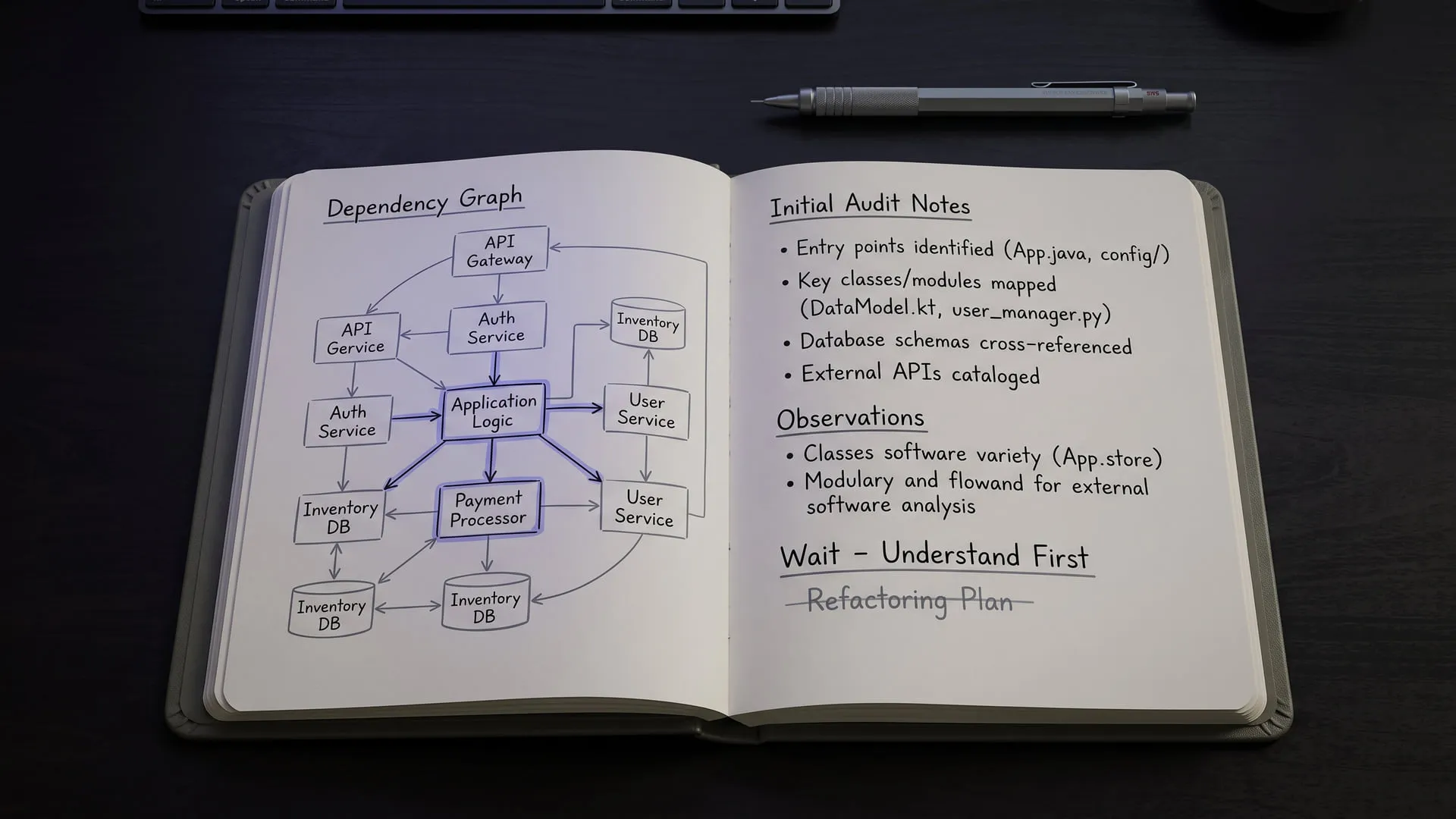
How to get a solid grasp of a codebase you've never seen before: understand first, refactor later.

Growth is a staircase, and the same thing breaks on every step: the capacity of informal coordination. Reading the transition from three desks at once.

The first question asked when production goes down sets a company's culture for years. The human side: fear, silence, and what changes later.
Expertise
Every programming language opens onto a different ecosystem, and each one carries its own strengths and trade-offs depending on what you need.
What I get asked most: how I started, what I build with, and how I choose.
9 questions
I met my first computer in 2000, an IBM my family bought. It did not take long to realise that what I really enjoyed was not using the machine but creating something with it; that feeling of making things was incredibly satisfying. My software development journey started there.
I am fluent in PHP, Python, Go and JavaScript, and I use all four actively. The popular frameworks in those ecosystems are all part of my toolbox: Laravel and Symfony, Django and FastAPI, Gin and Fiber, and the Node.js side. My focus is never the language or the framework, it is the problem to be solved.
There is no single answer, but a few parameters drive the decision: the time available for the MVP, the knowledge and experience of the rest of the team, and the specific needs of the product. If nobody on the team knows Go, that product should not be written in Go. By the same logic, I would not write PHP Laravel for a consumer/worker whose only job is to fire a single cURL or SOAP request.
This is a personal corner of the internet where I share what I know and what I have lived through, in detail. It exists so that I can pass on my experience freely, with no advertising and no revenue motive behind it.
I have been using AI actively, as a driving force, since 2023. For the time-consuming grunt work such as reviewing codebases and writing code, agentic AI tools do a good job as accelerators.
I have been making my living as a software developer since 2008, so 18 years of professional experience.
My specialisms are web software and CLI tools. I enjoy designing and writing the backend of a system more than anything else.
I started out as a developer. Over the years I have done hands-on development in almost every domain, and the engineering solutions I produced made those systems better, stronger and more resilient. Today I define and implement the architecture of high-traffic systems in line with their goals. The three are not alternatives; they are layers stacked on top of each other.
I have worked in HealthTech, FinTech and EdTech as lead/main developer, active in both the decision-making and the implementation.